
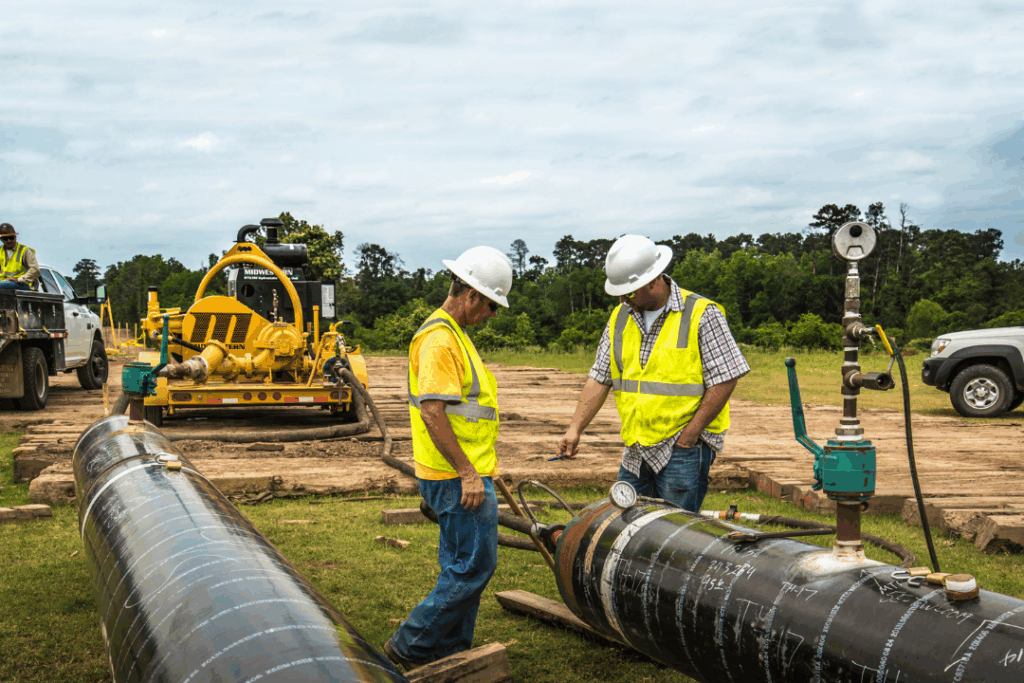
Why Hydrostatic Testing Units Matter for Pipelines
Ensuring Pipeline Integrity Before Service Begins
At Midwestern Manufacturing, we know that every successful pipeline project starts with confidence in the system’s integrity. Before a newly constructed or repaired pipeline is put into service, operators must confirm it can safely withstand the pressures it will experience throughout its working life. That assurance comes from proper hydrostatic testing, which uses pressurized water to verify the pipeline’s strength and identify any potential weaknesses. A Hydrostatic Testing Unit is the cornerstone of this process, providing the controlled pressure, monitoring capabilities, and documentation needed to perform thorough, reliable testing. By using the right equipment, project teams reduce risk, improve safety, and confirm the pipeline is ready for long-term operation.
What Hydrostatic Testing Confirms
Hydrostatic testing serves as a proof-of-performance procedure that validates the structural soundness of the pipeline system. During testing, the line is filled with water and pressurized above its maximum operating pressure. This creates a controlled environment where any material defects, weld inconsistencies, or leaks become evident. With a Hydrostatic Testing Unit managing the process, crews can track pressure changes precisely and ensure the line behaves as expected. This type of testing aligns with the principles outlined by groups like the American Society of Mechanical Engineers, which emphasize the importance of verifying mechanical integrity before the introduction of product. Hydrostatic testing does more than reveal issues—it establishes the baseline safety and durability of the pipeline.
Detecting Issues Before They Become Failures
Even with meticulous construction practices, hidden flaws can occur in materials or welds. Without thorough testing, these flaws can turn into failures once the pipeline is operational. A Hydrostatic Testing Unit exposes these issues under controlled conditions, allowing crews to correct them before they pose real-world hazards. Because water is incompressible, any defect results in a manageable release rather than an explosive failure that can occur during pressure testing with gas. Finding and resolving issues during the testing phase helps prevent costly leaks, environmental damage, and emergency shutdowns once the pipeline enters service.
Supporting Regulatory Compliance and Industry Standards
Pipeline testing requirements are strict for good reason. Agencies and regulatory bodies mandate hydrostatic testing as a core component of pre-commissioning procedures to safeguard the environment and protect public safety. Using a Hydrostatic Testing Unit helps crews meet these requirements by providing accurate pressure control, detailed data recording, and consistent performance. Testing records become part of the pipeline’s permanent documentation and may be reviewed during inspections, audits, or incident investigations. Organizations like the Pipeline and Hazardous Materials Safety Administration emphasize validated testing as a foundational part of pipeline integrity management, making proper testing equipment essential.
Creating a Safer Work Environment
Safety is our highest priority, and hydrostatic testing plays a crucial role in reducing risk during pipeline installation. By applying pressure using water rather than gas, crews eliminate the danger of sudden, catastrophic failures. A Hydrostatic Testing Unit gives operators precise control over pressure increases, reducing the likelihood of unexpected surges or structural over stress. When crews can rely on stable, predictable equipment, they can focus on monitoring the pipeline and documenting results instead of worrying about equipment variability. This approach supports safer jobsites and gives teams greater peace of mind throughout the testing process.
Improving Efficiency Through Reliable Performance
Pipeline projects operate under tight schedules, and delays caused by improper testing equipment can quickly derail progress. A Hydrostatic Testing Unit streamlines operations by maintaining steady pressure, delivering accurate readings, and reducing the need for repeated adjustments. When equipment performs consistently, crews spend less time troubleshooting and more time gathering valid data. The reliability of modern units helps eliminate unnecessary downtime and minimizes the risk of retesting due to inaccurate or incomplete results. This efficiency becomes especially valuable for long pipeline sections or large-scale projects where testing delays can compound quickly.
Reducing Long-Term Maintenance Costs
Thorough hydrostatic testing not only verifies initial pipeline integrity but also reduces long-term maintenance needs. By identifying weak points early, crews can correct issues before the pipeline enters service and is subjected to operational pressures. Proper testing helps eliminate premature failures and extends the pipeline’s service life by ensuring all components meet engineering and safety standards. A Hydrostatic Testing Unit supports this objective by enabling operators to collect detailed performance data that inform future maintenance planning. Pipelines that begin service with verified structural stability require fewer repairs over time, reducing operating expenses and improving system reliability.
Enhancing Accuracy with Advanced Monitoring
Accurate pressure monitoring is essential during hydrostatic testing. Modern Hydrostatic Testing Units provide digital readouts, automatic data logging, and advanced instrumentation that give crews clear insight into pipeline performance. These capabilities allow testers to identify subtle variations in pressure that may indicate issues such as micro-leaks or material expansion. High-quality data also simplifies regulatory reporting and enhances communication across project teams. When operators have confidence in the accuracy of their equipment, they can perform testing more efficiently and produce results that stand up to rigorous review.
Supporting a Predictable Commissioning Process
Commissioning is a major milestone for any pipeline project. Hydrostatic testing helps streamline this stage by confirming that the line is ready for service before the product is introduced. A Hydrostatic Testing Unit ensures the process runs smoothly by providing the stability and repeatability needed to produce dependable results. When testing is completed without complications, crews can transition to final tie-ins, drying operations, and system activation with confidence. Clear documentation, accurate data, and validated pressure performance support a predictable and efficient shift into operational status.
Meeting the Demands of Large-Scale Pipeline Projects
As pipeline systems expand to support energy production and distribution, project requirements become more demanding. Longer lines, larger diameters, and higher operating pressures increase the importance of using the right testing equipment. A Hydrostatic Testing Unit offers the capacity, accuracy, and durability needed for modern infrastructure development. Its reliable performance helps crews keep multi-phase projects on schedule and ensures that every section of pipe meets engineering expectations. When complexity increases, the value of dependable testing equipment becomes even more apparent.
Strengthening Reliability Across the Entire Pipeline Lifecycle
Every decision made during pipeline construction influences long-term reliability. Hydrostatic testing plays a vital role in this process by confirming that the pipeline can withstand operational pressures and environmental challenges. A Hydrostatic Testing Unit ensures that weaknesses are identified early and corrected before product flows through the system. This proactive approach supports safer operations, reduces the likelihood of failures, and helps maintain environmental protection standards. By investing in high-quality testing equipment, operators strengthen the performance and longevity of the pipeline over its entire lifecycle.
Equip Your Project with Confidence
At Midwestern Manufacturing, we believe that reliable pipelines start with reliable testing. A Hydrostatic Testing Unit provides the accuracy, stability, and assurance crews need to validate system integrity before operation begins. When you’re ready to elevate safety, streamline performance, and build stronger infrastructure, choose equipment that ensures every pipeline enters service with total confidence today.
Author: Doug G.
Comments are closed.