
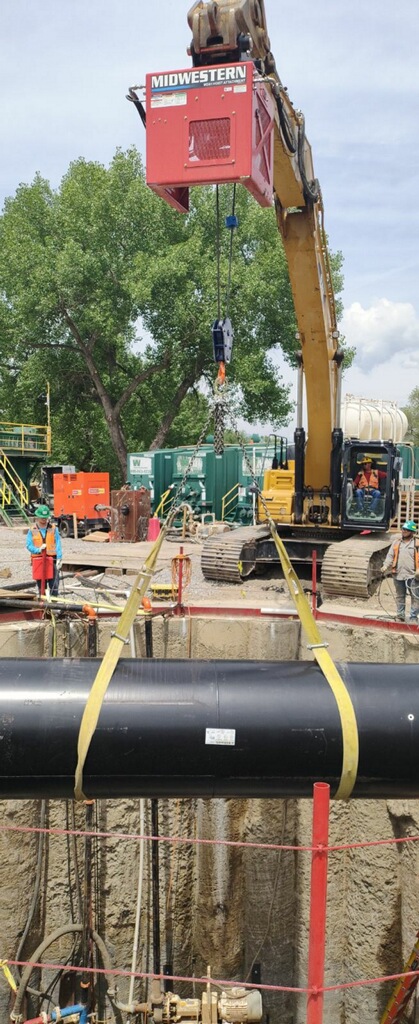
Construction Equipment Manufactured to Spec
The Value of Construction Equipment Manufactured for Specific Needs
In industries that rely on heavy machinery, standard equipment does not always meet the demands of specialized projects. Construction sites vary widely in terrain, operational requirements, and technical challenges. Because of this, many companies turn to construction equipment manufactured specifically for their applications.
Custom-built equipment allows organizations to solve unique operational problems while improving efficiency and safety. Instead of adapting workflows to fit available machinery, businesses can use equipment that is engineered around the exact tasks they need to perform.
At Midwestern Manufacturing, equipment is designed and built to meet specific project requirements. By focusing on durability, precision, and performance, specialized equipment helps construction teams complete demanding work with greater reliability.
Why Standard Equipment Isn’t Always Enough
Many construction projects involve environments that push equipment beyond standard capabilities. Rail infrastructure projects, industrial installations, and recovery operations often require machinery designed for unique conditions.
For example, a project may require equipment capable of lifting unusually shaped materials, operating in confined spaces, or working along specialized infrastructure like rail lines. In these situations, using equipment designed for general construction may slow progress or introduce unnecessary risks.
Choosing construction equipment manufactured to meet project specifications allows companies to overcome these challenges. Custom designs ensure that machinery performs the required tasks efficiently while reducing strain on operators and equipment.
Organizations such as the National Institute of Standards and Technology emphasize the role of advanced manufacturing and engineering in improving equipment performance and reliability.
How Custom Equipment Improves Project Efficiency
One of the biggest advantages of custom-built equipment is improved productivity. Equipment designed for a specific task eliminates many of the workarounds that crews must use with standard machinery.
When equipment is purpose-built, operators can complete tasks more quickly and with greater accuracy. This leads to several operational benefits:
- Reduced project timelines
- Fewer manual handling requirements
- Improved operator control and precision
- Greater consistency during repetitive tasks
Because construction equipment manufactured to specific requirements is designed around real-world workflows, it often integrates seamlessly into existing operations. Read more about how our custom winch attachments are built for heavy duty applications.
According to the U.S. Bureau of Labor Statistics, construction and infrastructure industries rely heavily on specialized machinery and equipment to complete complex projects efficiently.
Design Considerations for Custom Construction Equipment
Manufacturing specialized construction equipment requires careful planning and engineering. Each project begins by evaluating the operational challenges that the equipment must address.
Several key factors influence the design process.
- Load Capacity
Many construction projects involve lifting or transporting heavy materials. Equipment must be engineered to safely handle these loads while maintaining stability and durability. - Operating Environment
Construction environments can vary widely, from open work sites to confined industrial spaces. Equipment design must account for terrain conditions, weather exposure, and space limitations. - Operator Safety
Safety is a primary consideration when designing custom equipment. Controls, visibility, and ergonomic features are carefully designed to support safe operation. - Equipment Integration
Custom equipment often needs to integrate with existing machinery or infrastructure. This requires careful planning to ensure compatibility with other systems used on the job site.
By addressing these factors, manufacturers can deliver construction equipment manufactured specifically to meet the operational needs of each client.
Manufacturing Equipment for Long-Term Durability
Heavy construction equipment must withstand demanding working conditions. Continuous use, heavy loads, and exposure to harsh environments place significant stress on machinery.
For this reason, durability is a critical component of custom equipment manufacturing. High-quality materials, reinforced structures, and precise engineering help ensure equipment performs reliably over time.
Fabricators who specialize in construction equipment manufactured for industrial applications focus on building machines that maintain performance even in challenging conditions. Durable equipment reduces maintenance needs and helps companies avoid costly project delays caused by equipment failure.
The Role of Engineering in Custom Equipment Manufacturing
Engineering plays a major role in transforming project requirements into functional machinery. The process typically begins with a detailed analysis of the tasks the equipment must perform.
Engineers develop design concepts, evaluate load requirements, and determine the most effective mechanical systems for the application. Advanced design tools and modeling software allow manufacturers to test concepts before production begins.
Through this process, construction equipment manufactured to specification can be optimized for both performance and reliability.
Collaboration between engineers, manufacturers, and equipment operators is also important. Input from field teams ensures the final design reflects real-world operational needs.
Industries That Benefit from Custom Construction Equipment
Many industries rely on specialized machinery to complete complex projects. Custom-built equipment is particularly valuable in environments where standard machinery cannot meet operational requirements.
Industries that often require construction equipment manufactured to specification include:
- Railroad construction and maintenance
- Heavy infrastructure projects
- Industrial manufacturing facilities
- Energy and utility installations
- Recovery and maintenance operations
In each of these sectors, equipment designed for specific tasks helps teams operate more efficiently and safely.
Supporting Complex Construction Projects
Large-scale construction projects often involve multiple stages of work, each requiring specialized tools and machinery. From installation and assembly to maintenance and recovery operations, reliable equipment plays a vital role in keeping projects on schedule.
Companies that invest in construction equipment manufactured for their specific needs gain greater control over their operations. Purpose-built equipment allows crews to focus on completing the job rather than adapting to the limitations of standard machinery.
Custom manufacturing also allows organizations to solve unique challenges that may arise during complex projects.
The Importance of Choosing the Right Manufacturing Partner
Developing specialized equipment requires experience in both engineering and industrial manufacturing. A knowledgeable manufacturing partner can help organizations evaluate their operational challenges and develop effective solutions.
Manufacturers with expertise in custom equipment design understand the importance of safety, durability, and performance. They work closely with clients to ensure that equipment meets both technical specifications and real-world operating conditions.
At Midwestern Manufacturing, the focus is on delivering construction equipment manufactured to meet the exact needs of each project. By combining engineering expertise with precision manufacturing, the company helps clients develop equipment solutions that support demanding construction operations.
Contact us today for more information.
Frequently Asked Questions
- What does construction equipment manufactured to spec mean?
A. It refers to equipment that is designed and built to meet specific operational requirements rather than using standard off-the-shelf machinery. - Why do companies use custom construction equipment?
A. Custom equipment helps solve unique operational challenges, improves efficiency, and allows machinery to perform specialized tasks more effectively.
Q. Which industries benefit from specialized construction equipment?
A. Industries such as railroad construction, infrastructure development, manufacturing, and energy projects often require equipment built to specific specifications.
Q. What factors are considered when designing custom equipment?
A. Key factors include load capacity, operating environment, safety features, and compatibility with existing equipment or systems.
Author: Doug G.
Comments are closed.