
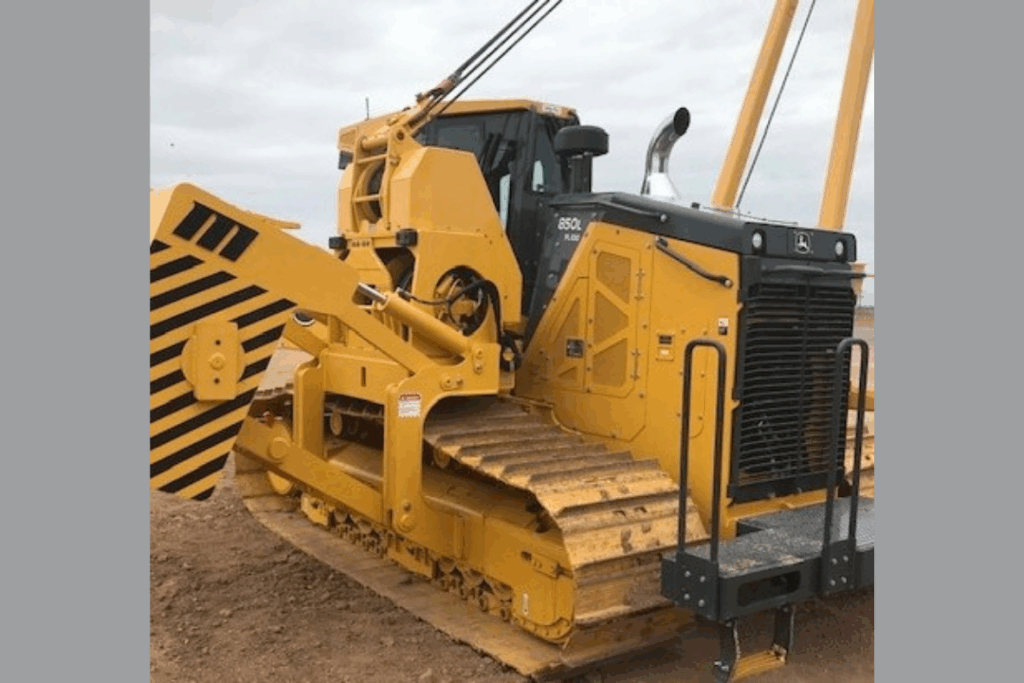
Pipeline Winch Systems Designed for Control and Safety
Why Control and Safety Define Modern Pipeline Jobsites
At Midwestern Manufacturing, we build equipment for pipeline crews who operate in environments where precision and safety are non-negotiable. Modern pipeline projects involve heavier materials, tighter schedules, and stricter regulatory oversight than ever before. In these conditions, reliable tension control is critical to keeping operations efficient and crews protected. That’s why pipeline winch systems play such an important role on today’s jobsites. Designed to manage heavy loads with predictable movement, these systems give operators the control they need to execute demanding tasks without introducing unnecessary risk.
The Role of Winch Systems in Pipeline Operations
Pipeline winch systems are used throughout multiple phases of pipeline construction and maintenance. From pulling pipe into position to managing controlled movement during installation or recovery, these systems provide consistent force where manual methods fall short. Properly engineered winch systems help crews maintain alignment, regulate tension, and move materials smoothly across varying terrain and jobsite conditions.
Common pipeline winching applications include:
- Pipe positioning during installation
- Controlled pulling in trench or surface operations
- Equipment and material handling
- Recovery and repositioning tasks
- Tension management during complex moves
Each of these tasks depends on predictable load behavior to maintain safety and accuracy.
Why Control Matters When Handling Heavy Pipe
Pipe sections are heavy, rigid, and unforgiving when movement becomes unstable. Uncontrolled pulling can lead to misalignment, coating damage, or dangerous load shifts that put crews at risk. Winch systems designed for pipeline work provide fine control over speed, direction, and tension, allowing operators to manage movement gradually rather than abruptly.
Key control benefits include:
- Smooth starts and stops that reduce shock loading
- Consistent tension that prevents pipe binding
- Precise adjustments for alignment and positioning
- Improved communication between operators and ground crews
This level of control allows crews to focus on proper execution instead of reacting to unpredictable movement.
Built-In Safety Advantages of Purpose-Built Systems
Safety is a primary concern on every pipeline project, and equipment selection plays a major role in risk reduction. Purpose-built pipeline winch systems are engineered to handle the loads and forces specific to pipeline work rather than general pulling applications.
Safety-focused design features often include:
- Load-rated components designed for heavy pipe
- Braking systems that hold loads securely under tension
- Stable mounting configurations to prevent movement or tipping
- Controlled cable routing to reduce wear and failure risk
These design considerations support safer material handling practices and align with guidance from the Occupational Safety and Health Administration, which emphasizes controlled load movement and proper equipment use on construction sites.
Supporting Efficiency Without Compromising Safety
Efficiency and safety are closely connected on pipeline jobsites. When crews are forced to make repeated adjustments or corrections due to equipment limitations, productivity drops and risk increases. Well-designed pipeline winch systems help eliminate these issues by allowing tasks to be completed correctly the first time.
Efficiency improvements often come from:
- Reduced need for repositioning or re-pulling
- Faster setup and smoother operation
- Better coordination between equipment and crews
- Fewer interruptions caused by unstable loads
By improving workflow consistency, crews maintain momentum while keeping safety front and center.
Adapting to Challenging Terrain and Conditions
Pipeline routes rarely follow ideal ground conditions. Crews frequently work across slopes, soft soil, rocky terrain, and remote areas where stability is harder to maintain. Winch systems designed specifically for pipeline work account for these variables by providing controlled pulling power that adapts to changing resistance and ground conditions.
Adaptability benefits include:
- Stable performance on uneven terrain
- Controlled movement despite changing load angles
- Reduced strain on pipe and surrounding equipment
- Improved safety in low-visibility or confined areas
This adaptability allows crews to maintain control even when environmental conditions are unpredictable.
Protecting Pipe and Coatings During Handling
Protective coatings are essential for pipeline longevity, and damage during construction can lead to costly repairs or long-term performance issues. Controlled winching helps minimize coating damage by reducing sudden movement, scraping, or impact during pipe handling.
Purpose-built systems support coating protection by:
- Maintaining steady tension throughout movement
- Allowing gradual positioning instead of abrupt pulls
- Reducing contact with abrasive surfaces
- Supporting accurate alignment during placement
Protecting materials during installation helps ensure long-term pipeline reliability and reduces post-installation maintenance concerns.
Integration with Other Pipeline Equipment
Winch systems do not operate in isolation. They must integrate seamlessly with pipelayers, rollers, anchors, and support equipment across the jobsite. Pipeline winch systems are designed with compatibility in mind, allowing crews to build cohesive workflows without relying on improvised connections or adapters.
Integration advantages include:
- Better load transfer between equipment
- Reduced wear on cables and attachment points
- Improved overall system balance
- Simplified inspection and maintenance procedures
When systems work together as intended, both performance and safety improve.
Long-Term Durability and Cost Control
Durability is a key factor in the total cost of ownership for pipeline equipment. Systems not designed for the realities of pipeline work often experience premature wear or failure. Winch systems engineered for pipeline applications are built to withstand high load cycles, harsh environments, and extended use.
Long-term benefits include:
- Fewer unexpected breakdowns
- Longer service life under heavy use
- Reduced downtime and repair costs
- More predictable project scheduling
Investing in durable equipment protects both project timelines and operational budgets.
Selecting the Right Winch System for the Job
Not every pipeline project has the same requirements, which makes system selection critical. Load capacity, pulling distance, terrain, and environmental exposure all influence the right configuration. Choosing the correct pipeline winch systems ensures crews achieve the control and safety needed without overstressing equipment or creating unnecessary risk.
Important selection factors include:
- Pipe size and weight
- Required tension and pulling force
- Environmental and terrain conditions
- Integration with existing equipment
- Expected duty cycle and usage frequency
Matching the system to real-world conditions delivers better outcomes across the entire project.
Designed for Confidence in the Field
Pipeline work demands equipment that performs predictably under pressure. Pipeline winch systems provide the control, stability, and safety crews need to handle heavy pipe with confidence across every phase of construction. At Midwestern Manufacturing, we engineer solutions that reflect the realities of pipeline jobsites, and when your operation requires dependable performance, precise control, and built-in safety, choose equipment designed to support your crew and put engineered winching solutions to work today.
Author: Doug G.
Comments are closed.