
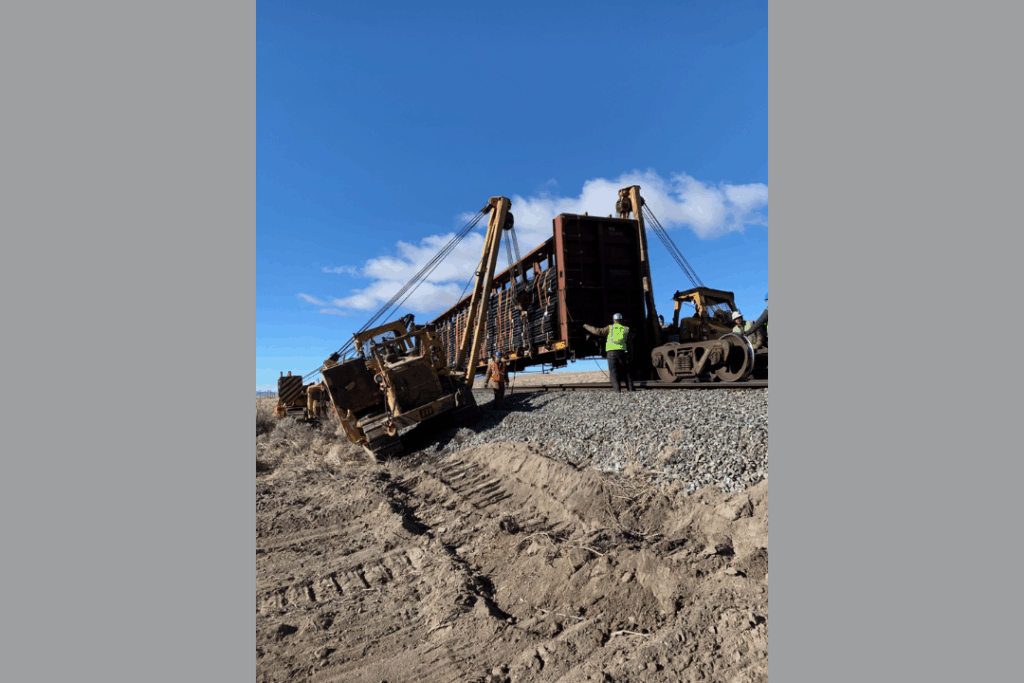
Heavy Duty Winch Systems for Extreme Loads
Why Extreme Loads Require Purpose-Built Winching Solutions
At Midwestern Manufacturing, we design equipment for jobsites where failure is not an option. Large-scale construction, infrastructure, energy, recovery, and industrial projects often involve loads that push equipment to its limits. When materials weigh tens or even hundreds of thousands of pounds, standard pulling solutions simply are not enough. This is where heavy duty winch systems become essential. Built to manage extreme loads with precision and reliability, these systems provide the controlled force crews need to move massive components safely while maintaining productivity on demanding projects.
What Defines a Heavy Duty Winch System
Not all winches are designed to handle extreme loads. Heavy duty systems are engineered specifically for high-force applications where sustained pulling power, structural integrity, and controlled movement are critical. These systems are built with reinforced components, robust drivetrains, and braking mechanisms capable of holding substantial tension without compromise.
Key characteristics of heavy duty winch systems include:
- High load ratings designed for extreme forces
- Reinforced frames and mounting structures
- Powerful drive systems capable of sustained output
- Precision control for speed, direction, and tension
- Components built for long duty cycles under stress
These design elements ensure reliable performance when lighter equipment would fail or introduce unacceptable risk.
Why Control Matters More as Loads Increase
As load weight increases, so does the potential danger of uncontrolled movement. Sudden shifts, cable snap-back, or uneven pulling forces can lead to equipment damage or serious injury. Heavy duty winching prioritizes control just as much as raw strength.
Controlled movement helps crews:
- Prevent shock loading that stresses cables and anchors
- Maintain steady tension during long pulls
- Execute precise positioning of oversized components
- Coordinate safely between operators and ground crews
By delivering predictable performance, heavy duty winch systems allow crews to focus on accuracy and safety rather than reacting to unpredictable behavior.
Safety Advantages of Purpose-Built Winch Equipment
Safety is a central concern on any jobsite handling extreme loads. Winch systems designed for heavy-duty use incorporate features that reduce risk and support controlled operations even under high tension.
Common safety-focused features include:
- Load-holding brakes that prevent rollback
- Redundant systems to protect against component failure
- Stable mounting configurations to resist movement
- Controlled cable routing to reduce wear and failure risk
These features support safer material-handling practices and align with guidance from the Occupational Safety and Health Administration, which emphasizes proper equipment selection and controlled load movement for high-risk operations.
Applications That Demand Extreme Load Capacity
Heavy duty winch systems are used across industries where standard equipment cannot handle the forces involved. These systems support operations that require sustained pulling power, precise alignment, and maximum reliability.
Common application areas include:
- Large infrastructure and bridge construction
- Energy and utility installation projects
- Heavy equipment recovery and relocation
- Industrial manufacturing and assembly
- Marine and offshore operations
In each of these environments, the ability to move massive loads safely and predictably is critical to project success.
Supporting Efficiency on Large-Scale Projects
Extreme load projects are often time-sensitive and resource-intensive. Equipment failures or inefficiencies can cause costly delays. Heavy duty winch systems help maintain workflow consistency by performing reliably over long periods without frequent adjustment or repair.
Efficiency benefits often include:
- Reduced downtime due to equipment limitations
- Faster setup and controlled operation
- Fewer corrective moves or re-pulls
- Improved coordination across multiple crews
By eliminating uncertainty, crews maintain momentum even when working under extreme conditions.
Built to Perform in Harsh Environments
Extreme load applications often take place in harsh environments where equipment is exposed to dust, moisture, vibration, temperature extremes, and uneven terrain. Heavy duty winch systems are designed to withstand these conditions without compromising performance.
Environmental durability features often include:
- Corrosion-resistant materials and coatings
- Sealed components to protect against debris
- Reinforced structures for high-vibration environments
- Designs that maintain performance in extreme temperatures
This durability ensures dependable operation even when jobsite conditions are less than ideal.
Integration with Other Heavy Equipment
Heavy-duty winches rarely operate alone. They must integrate seamlessly with cranes, excavators, lifting frames, anchoring systems, and structural supports. Heavy duty winch systems designed for integration help crews build cohesive workflows rather than relying on improvised setups.
Integration advantages include:
- Better load transfer between equipment
- Reduced stress on cables and attachment points
- Improved alignment during positioning
- Simplified inspection and maintenance procedures
When systems are engineered to work together, overall safety and performance improve.
Protecting Equipment and Materials During Extreme Pulls
Uncontrolled pulling forces can damage both the load and the equipment involved. Heavy duty winching systems protect materials by delivering smooth, consistent force throughout movement.
Material and equipment protection benefits include:
- Reduced risk of sudden impact or overload
- Better control during alignment-sensitive tasks
- Lower likelihood of structural damage
- Fewer repairs and replacements
Protecting materials during movement helps preserve project quality and reduce long-term costs.
Long-Term Durability and Cost Control
Extreme load applications place constant stress on equipment, making durability a critical factor in total cost of ownership. Heavy duty winch systems are engineered to handle repeated high-load cycles without premature wear or failure.
Long-term advantages include:
- Extended service life under continuous stress
- Reduced frequency of repairs
- Lower downtime across long projects
- More predictable maintenance schedules
Over time, this durability translates into measurable cost savings and improved project reliability.
Selecting the Right Winch System for Extreme Loads
Not every heavy-duty application has the same requirements. Load weight, pulling distance, duty cycle, and environmental conditions all influence the right configuration. Selecting the appropriate heavy duty winch systems ensures crews achieve the required performance without overstressing equipment or increasing risk.
Key selection factors include:
- Maximum and sustained load requirements
- Required line speed and control precision
- Environmental exposure and terrain
- Integration with existing machinery
- Frequency and duration of use
Matching the system to real-world demands ensures safer and more efficient outcomes.
Designed for Confidence Under Pressure
Extreme load operations demand equipment that performs predictably under the highest stress. Heavy duty winch systems provide the strength, control, and reliability crews need to move massive loads safely and efficiently. At Midwestern Manufacturing, we engineer winching solutions built for the toughest jobsites, and when your project involves extreme forces and zero margin for error, choose equipment designed to perform under pressure and put engineered winching solutions to work with total confidence today.
Author: Joe B.
Comments are closed.